
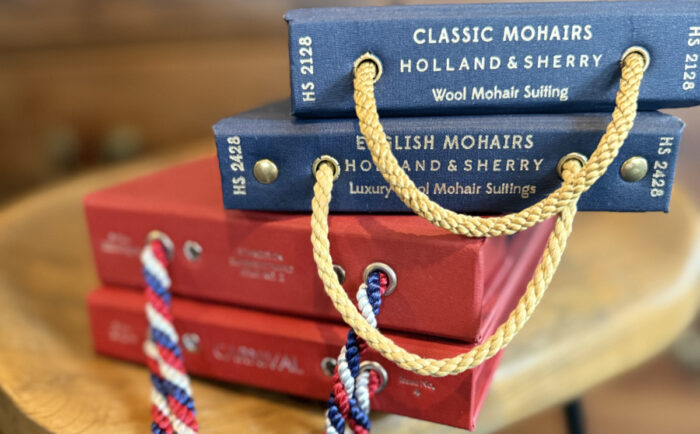
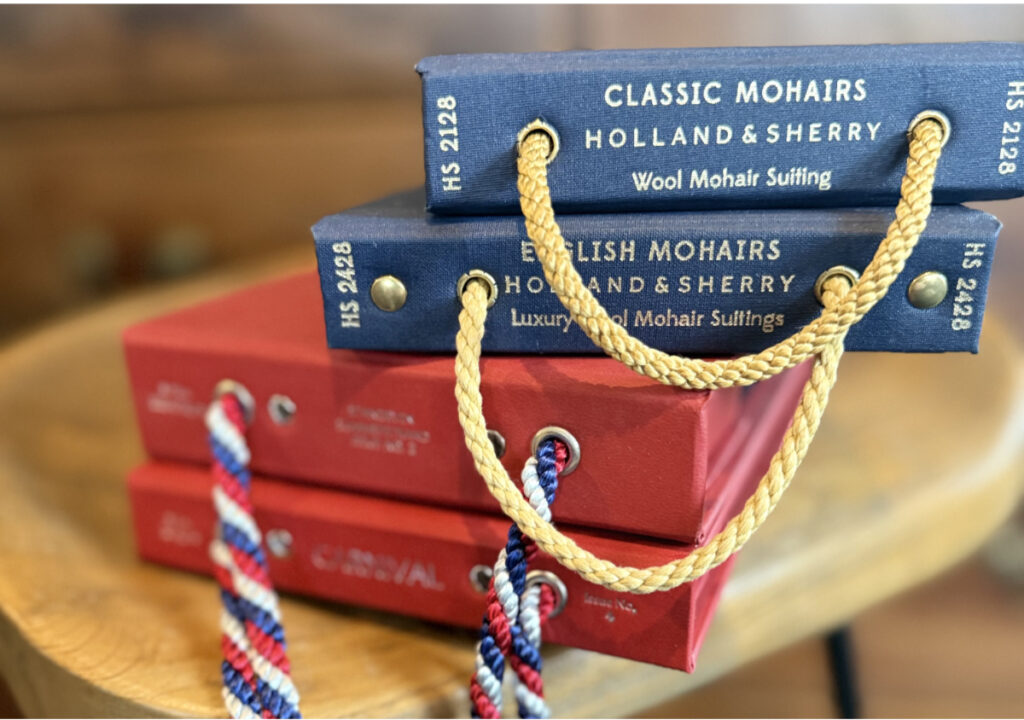
 There are fabrics that come and go in menswear. Then there are the ones that quietly stick around for decades because they simply work.
Mohair falls firmly into the second camp.
Less common than traditional wool but prized by tailors for generations, mohair brings a distinctive look and feel to a suit. It has a crisp handle, a subtle sheen and an ability to stay sharp long after many other fabrics have started to crease and sag. For men who spend long days in tailoring, travel regularly, or simply appreciate a suit that keeps its shape, mohair is worth a closer look.
A Fabric with a Long History
Mohair comes from the fleece of the Angora goat, a fibre that originated in Anatolia, in what is now Turkey. Valued for its strength, durability and natural lustre, it eventually found its way into European textile mills and, from there, into some of the finest tailoring houses.
Its real heyday in menswear arrived during the twentieth century. Mohair became a favourite for eveningwear, travel suits and warm-weather tailoring thanks to its crisp drape and elegant finish. By the 1960s it had become closely associated with the Mod movement, where immaculate suits and razor-sharp silhouettes were part of the uniform.
That connection still lingers today. There’s something undeniably clean and confident about a well-cut mohair suit.
Why Tailors Still Rate Mohair
The appeal of mohair isn’t just about appearance.

One of its biggest strengths is its natural resistance to creasing. A mohair blend can spend hours in a car, on a train or in a boardroom and still look remarkably fresh by the end of the day. Anyone who’s attended a summer wedding in a standard wool suit will appreciate the difference.
It’s also surprisingly comfortable to wear. Many mohair cloths are woven in open constructions that allow air to move freely, helping the wearer stay cooler when temperatures climb. That’s one reason mohair remains popular in warmer climates and for summer tailoring.
Then there’s the finish. Mohair has a natural sheen that catches the light in a way wool doesn’t quite replicate. Not flashy. Not glossy. Just enough depth to give navy, charcoal and black suits a little extra presence, particularly in the evening.
It’s also exceptionally durable. Mohair fibres are strong, resilient and resistant to pilling, which helps garments maintain their appearance over years of wear.
What Makes a Good Mohair Suit?
Interestingly, the best mohair suits are rarely made from pure mohair.
Most high-quality cloths blend mohair with fine wool. The wool softens the fabric and improves comfort, while the mohair contributes structure, resilience and that distinctive crisp finish.
The balance matters.
A good mohair cloth should feel dry and clean in the hand rather than soft and fluffy. It should drape with purpose, hold its line and spring back into shape after wear. You want a fabric with character, not stiffness.
This is also where tailoring becomes particularly important. Mohair rewards a precise cut. When handled well, it creates some of the cleanest and most elegant silhouettes in menswear.
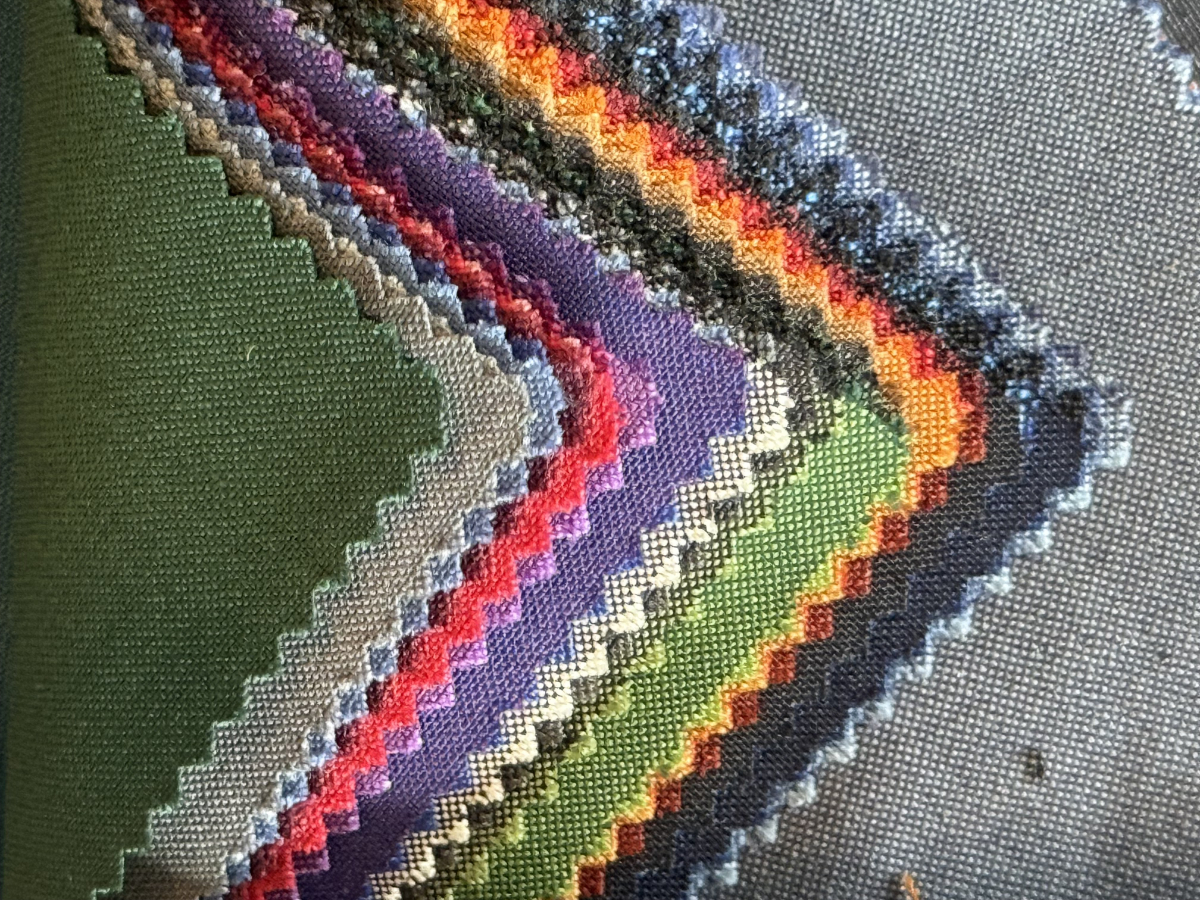
Holland & Sherry HS2428 English Mohair
Holland & Sherry’s English Mohair collection has become something of a benchmark for this type of cloth.
Blending superfine wool with mohair, it produces a fabric that feels crisp and lightweight while remaining comfortable in warm or humid conditions. The plain-weave construction allows air to circulate easily, while mohair’s natural wicking properties help keep the wearer cool and dry.
What stands out most is how well the cloth maintains its shape. Whether worn for business, travel or a summer wedding, it retains that freshly tailored appearance remarkably well.
Mohair also absorbs dye exceptionally effectively, which gives these fabrics particularly rich, vibrant colours. Combined with the fibre’s natural lustre, the result is cloth with real depth and character.
Standeven Summerstrand
Summerstrand takes a slightly different approach.
Blending ultrafine Super 100’s wool with mohair, it creates a lightweight fabric with excellent drape while retaining enough body to hold a sharp silhouette. It feels distinctly British in character, yet remains practical for warmer weather and frequent travel.
The collection includes everything from classic plains to Prince of Wales checks, puppytooths and pinstripes. Traditional without feeling dated.
For many men, Summerstrand sits in a sweet spot. Elegant enough for formal occasions, durable enough for regular wear and versatile enough to work across different settings.
Standeven Carnival
Carnival is aimed at those who want their tailoring to make a slightly stronger statement.
The collection combines RMS mohair with RWS wool and places greater emphasis on colour, texture and visual interest. The fabrics have more personality about them. Richer shades, greater depth and a little more individuality.
That’s not to say they’re loud. Far from it.
The appeal lies in the subtle confidence they bring to a suit. They’re refined fabrics that simply happen to stand out a touch more than the average business cloth.
Why Mohair Still Matters
Mohair isn’t a trend, and that’s part of its appeal.
It’s a fabric chosen by people who value performance as much as appearance. Men who travel. Men who spend long days in tailoring. Men who want a suit that looks as sharp at six in the evening as it did at nine in the morning.
It offers structure without weight, durability without bulk and elegance without unnecessary flash.
Whether you prefer the crisp sophistication of Holland & Sherry English Mohair, the versatility of Standeven Summerstrand or the bolder character of Standeven Carnival, mohair remains one of the most rewarding fabrics in tailoring.
Not everyone owns a mohair suit. Those who do tend to understand exactly why they keep reaching for it.